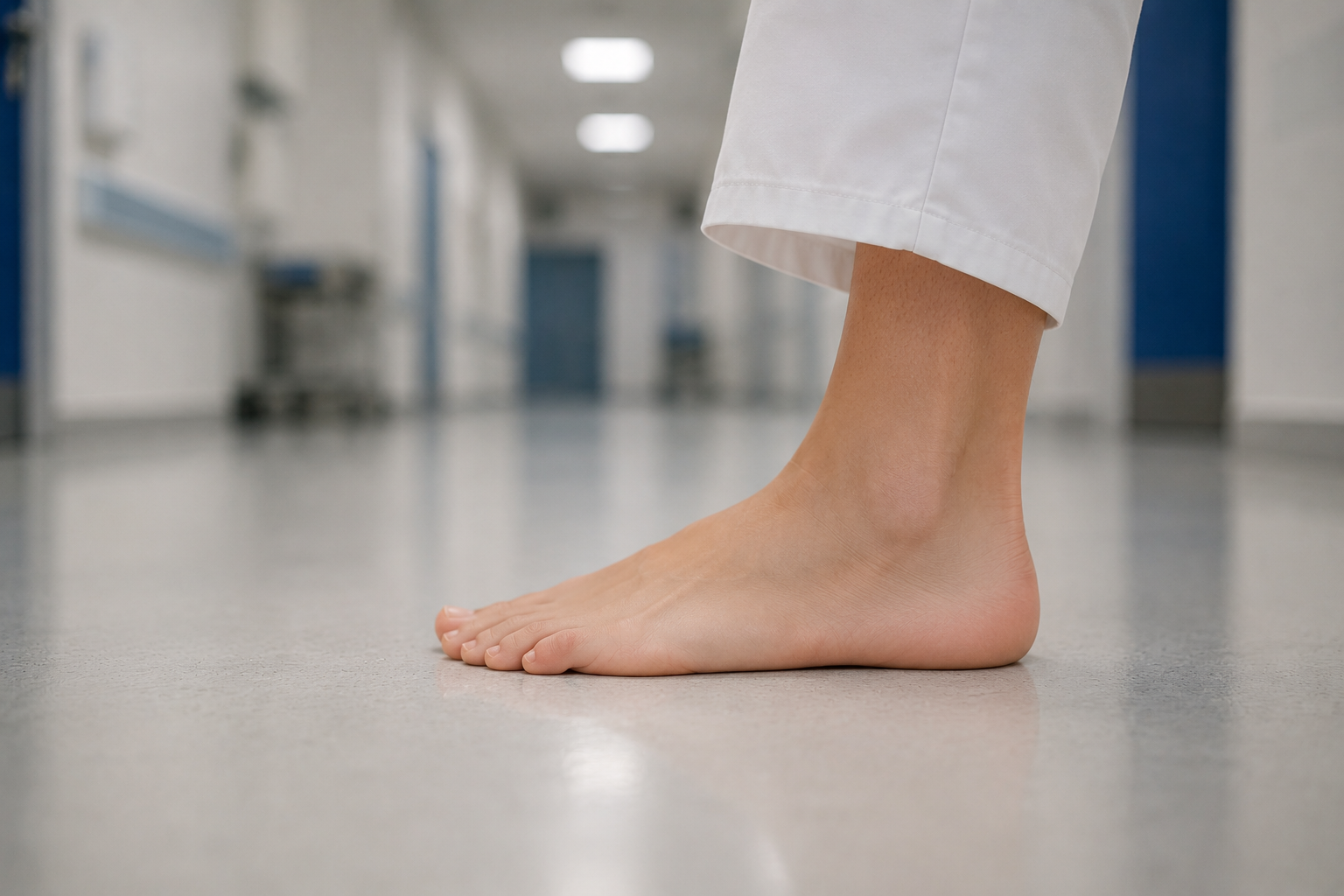
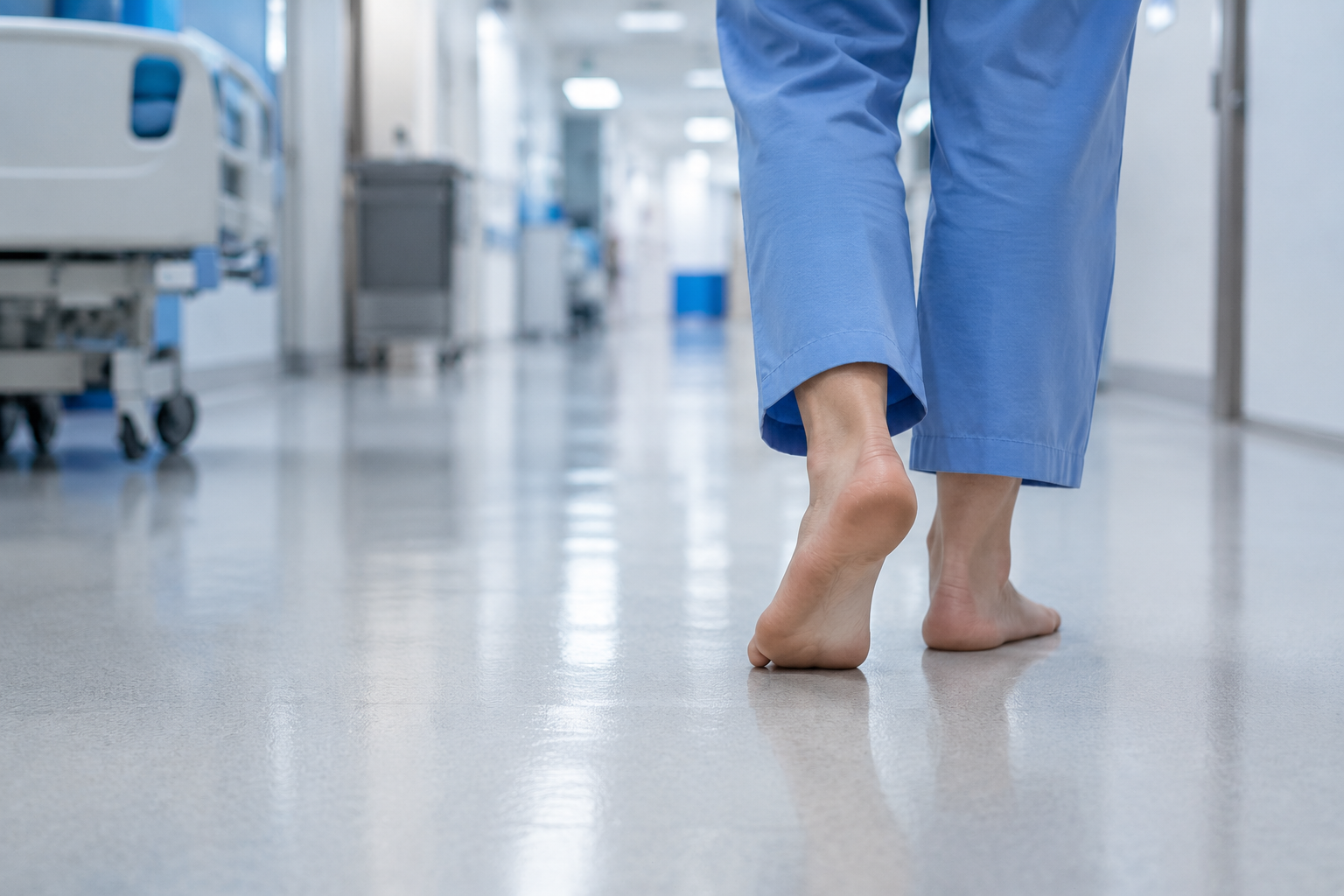
¿Y si el futuro del calzado sanitario no fuera un zueco… ni una zapatilla?
Durante décadas, el calzado profesional sanitario ha evolucionado en torno a dos grandes opciones. Por un lado, el zueco, valorado por su practicidad, ligereza y facilidad para poner y quitar. Por otro, la zapatilla deportiva, elegida por quienes buscan una mayor sensación de estabilidad y confort durante las largas jornadas de trabajo.
Cada una aporta ventajas, pero también presenta limitaciones. Mientras el zueco facilita la ventilación y la rapidez de uso, muchos profesionales echan en falta una mayor sujeción y estabilidad. La zapatilla, en cambio, ofrece un ajuste más seguro, aunque a menudo resulta más pesada, menos flexible o está diseñada para correr, no para pasar diez o doce horas de pie en un hospital.
En Nibo nos preguntamos si realmente era necesario elegir entre una u otra. La respuesta fue crear una categoría completamente nueva. No queríamos reinventar el zueco ni adaptar una zapatilla deportiva al entorno sanitario. Queríamos diseñar un calzado pensado desde cero para quienes trabajan muchas horas de pie.
Por eso tomamos lo mejor de ambos mundos. Del zueco recuperamos su practicidad, la facilidad para calzarlo y la limpieza de un diseño pensado para el entorno sanitario. De la zapatilla incorporamos la estabilidad, la sujeción y una experiencia de uso más cercana a la de un calzado que acompaña el movimiento durante toda la jornada.
Pero el verdadero cambio no estaba únicamente en la forma. También estaba en la manera de entender el movimiento del pie.
Durante el desarrollo del producto estudiamos cómo trabajan los profesionales sanitarios, cuánto caminan durante un turno, cómo cambia la pisada a medida que avanza la jornada y qué necesidades reales no estaban cubiertas por el calzado existente.
Ese proceso nos llevó a adoptar los principios del calzado barefoot: una horma amplia que permite a los dedos moverse con libertad, una suela flexible que acompaña el movimiento natural del pie y una estructura ligera que evita añadir peso innecesario en cada paso.
El resultado es un calzado que no obliga al pie a adaptarse al zapato, sino un zapato diseñado para respetar la forma y el movimiento natural del pie.
Sin embargo, sabíamos que introducir un concepto diferente también requería facilitar la adaptación. Por eso desarrollamos un sistema de doble plantilla que permite realizar una transición progresiva hacia una pisada más natural, respetando el ritmo y las necesidades de cada profesional.
Nuestro objetivo nunca ha sido fabricar un zapato diferente por el simple hecho de ser diferente. Queríamos responder a una pregunta muy sencilla: ¿cómo debería ser el calzado de alguien que pasa toda su jornada cuidando de los demás? Creemos que la respuesta no estaba en elegir entre un zueco o una zapatilla. Estaba en crear una nueva categoría que reuniera la funcionalidad del primero, la comodidad de la segunda y una forma distinta de entender el bienestar desde los pies.
Porque después de miles de pasos cada día, la diferencia no la marca un tipo de calzado. La marca cómo se siente tu cuerpo cuando termina el turno.