Why Occupational Health Is Driving the Growth of Healthcare Footwear
Some markets grow because of trends. Others grow because of necessity. Medical footwear clearly belongs to the second group.
Forecasts indicate that the global medical footwear market could reach around 11.9 billion dollars by 2026, with sustained growth expected in the following years. This expansion is being driven by structural changes in the healthcare sector and by a reality that organizations can no longer ignore: musculoskeletal problems are one of the main causes of sick leave among healthcare professionals.
Long hours standing, constant movement and physically demanding postures mean that footwear is no longer a secondary item. For doctors, nurses, caregivers and other healthcare workers, professional healthcare footwear has become a key tool for prevention, comfort and workplace wellbeing.
What is most interesting is not only the growth of the market, but how its value proposition is evolving. The conversation is moving from simply choosing comfortable shoes to adopting specialized ergonomic footwear solutions. It is also shifting from individual purchase decisions to strategic organizational decisions, and from a medical product to a direct lever for occupational health in healthcare environments.
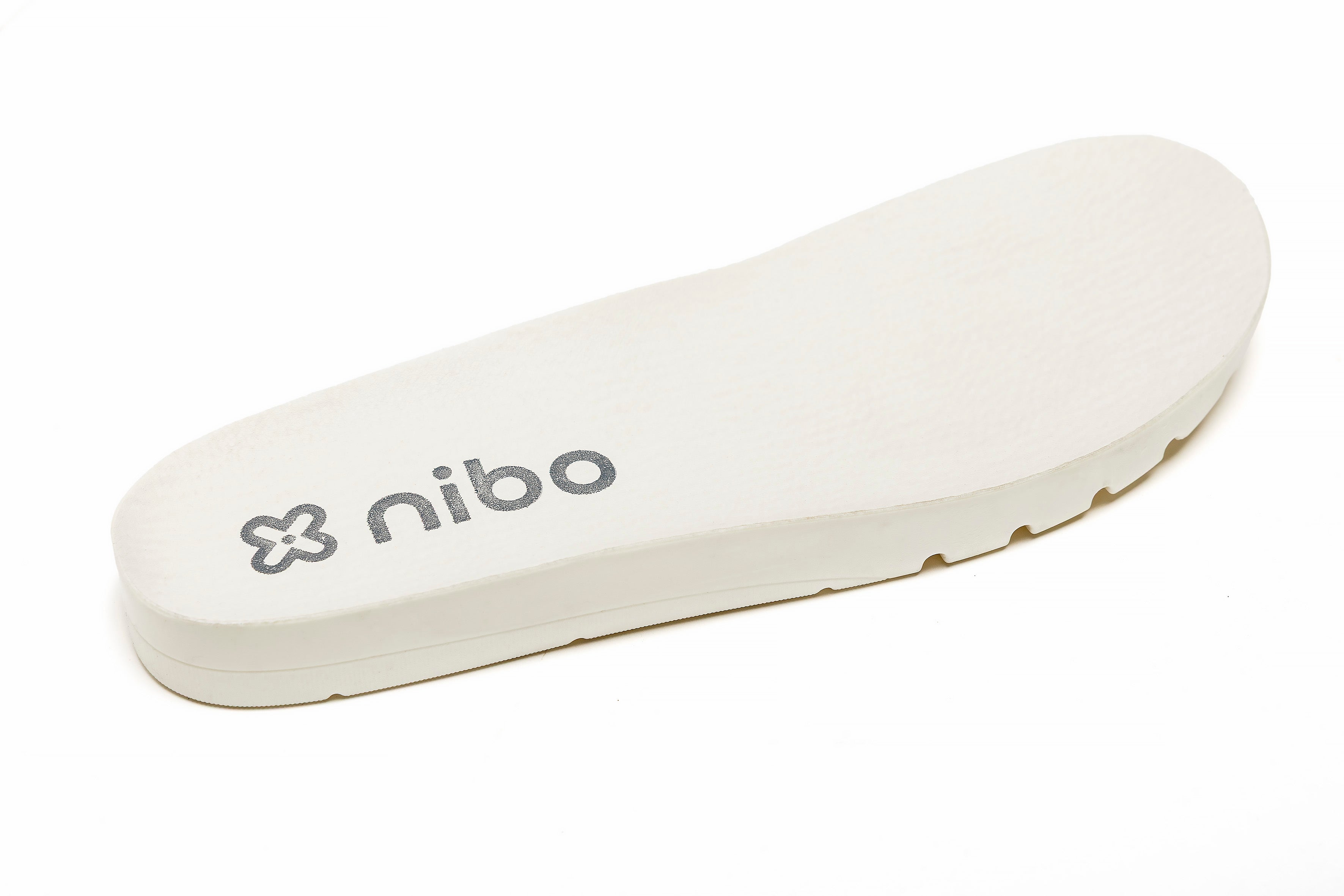
Innovation is playing a decisive role in this transformation. Lighter materials, adaptive designs, improved cushioning systems and technical insoles that help distribute weight more efficiently are changing what healthcare footwear can offer. New developments, including monitoring technologies and smart insoles, are also expanding the role of medical footwear beyond the traditional clinical setting.
This growth is not a coincidence. It responds to several major trends already shaping the present and future of the healthcare sector: an aging population, the increase in chronic diseases such as diabetes, greater awareness of prevention, and the need to reduce the costs associated with absenteeism and work-related injuries.
In this context, choosing the right footwear is no longer just an expense. It becomes an investment in the health, performance and sustainability of healthcare teams. The right ergonomic medical footwear can help support professionals during long shifts, reduce fatigue and contribute to a healthier working environment.
For manufacturers, distributors and companies within the healthcare ecosystem, the message is clear: we are facing a new standard in professional healthcare environments. Companies that understand this change will be able to position themselves not only as suppliers of medical footwear, but as partners in occupational health.
Medical footwear for healthcare professionals is no longer a niche category. It is becoming a strategic market. Because when the goal is to reduce sick leave, improve wellbeing and increase productivity, every detail matters — even, and especially, what we wear on our feet.